
1. Browse an idea
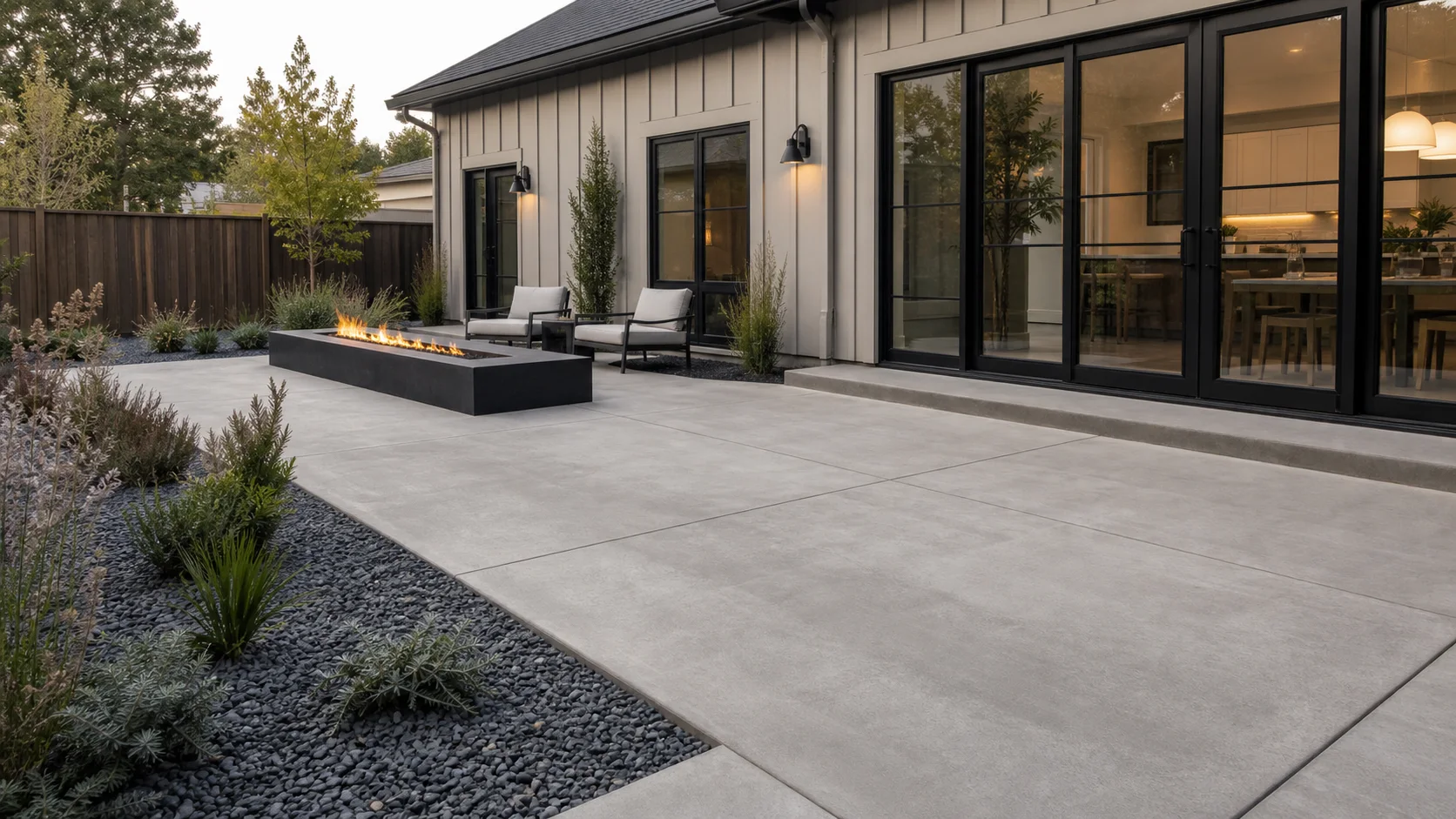
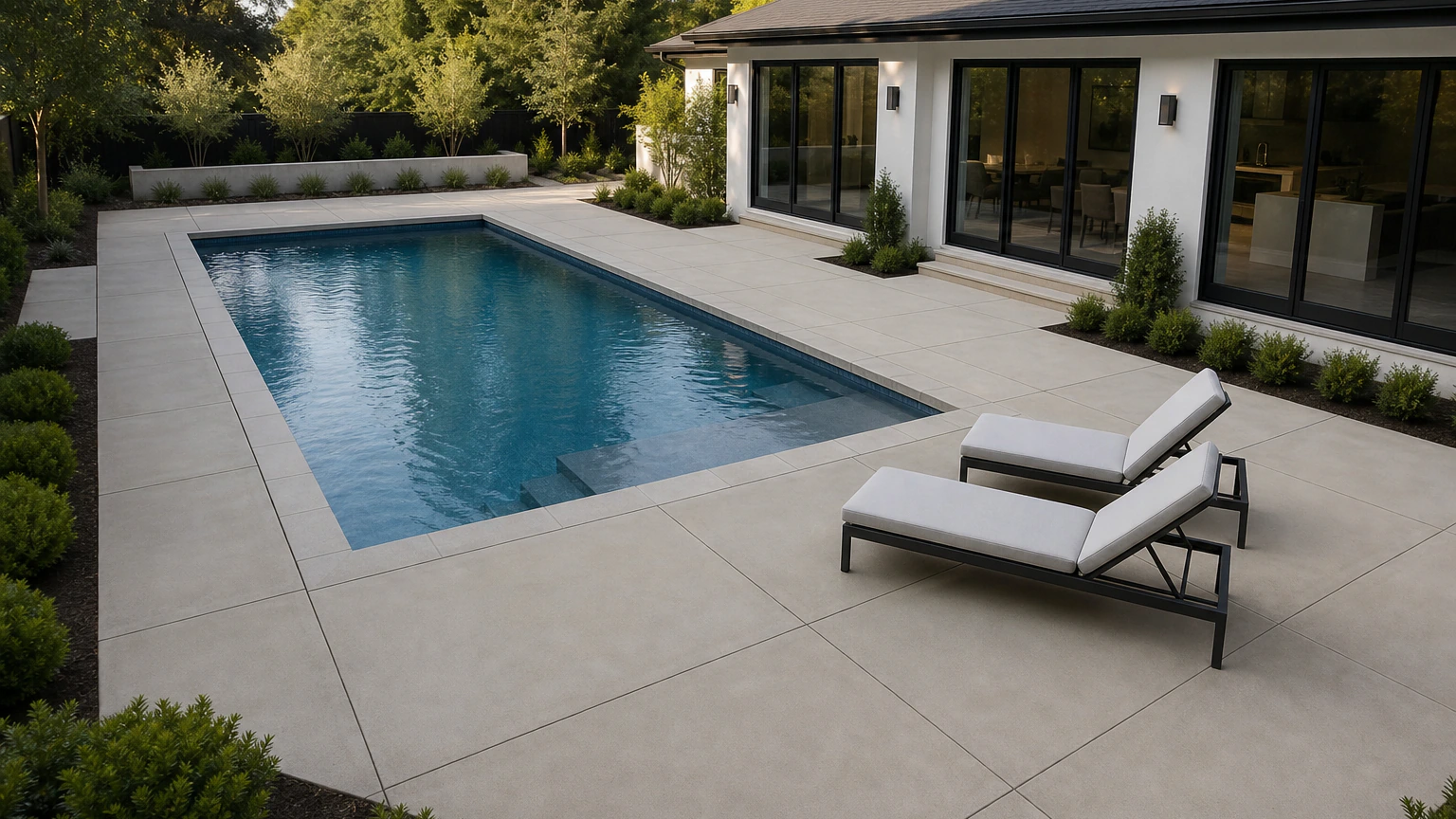
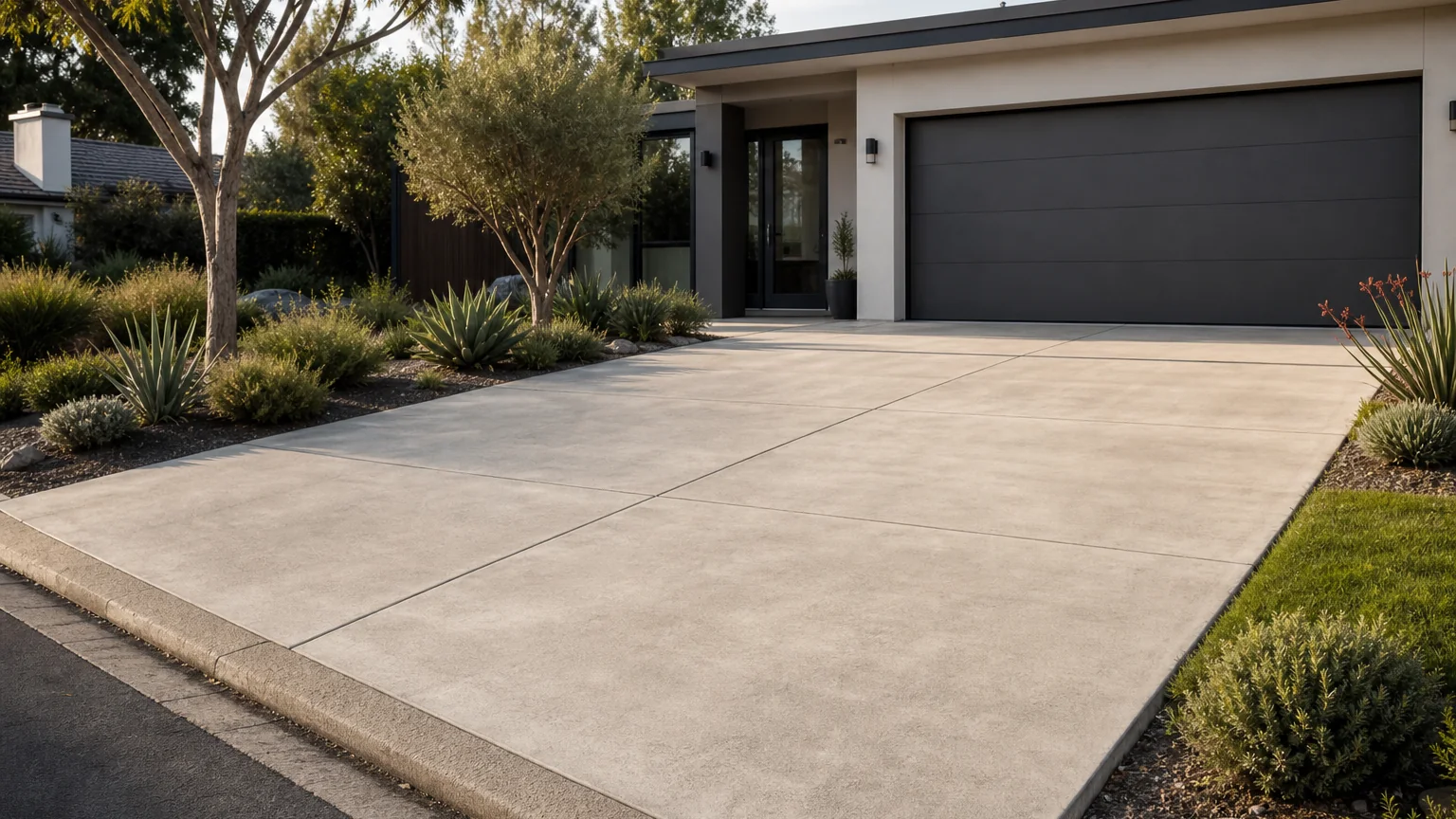
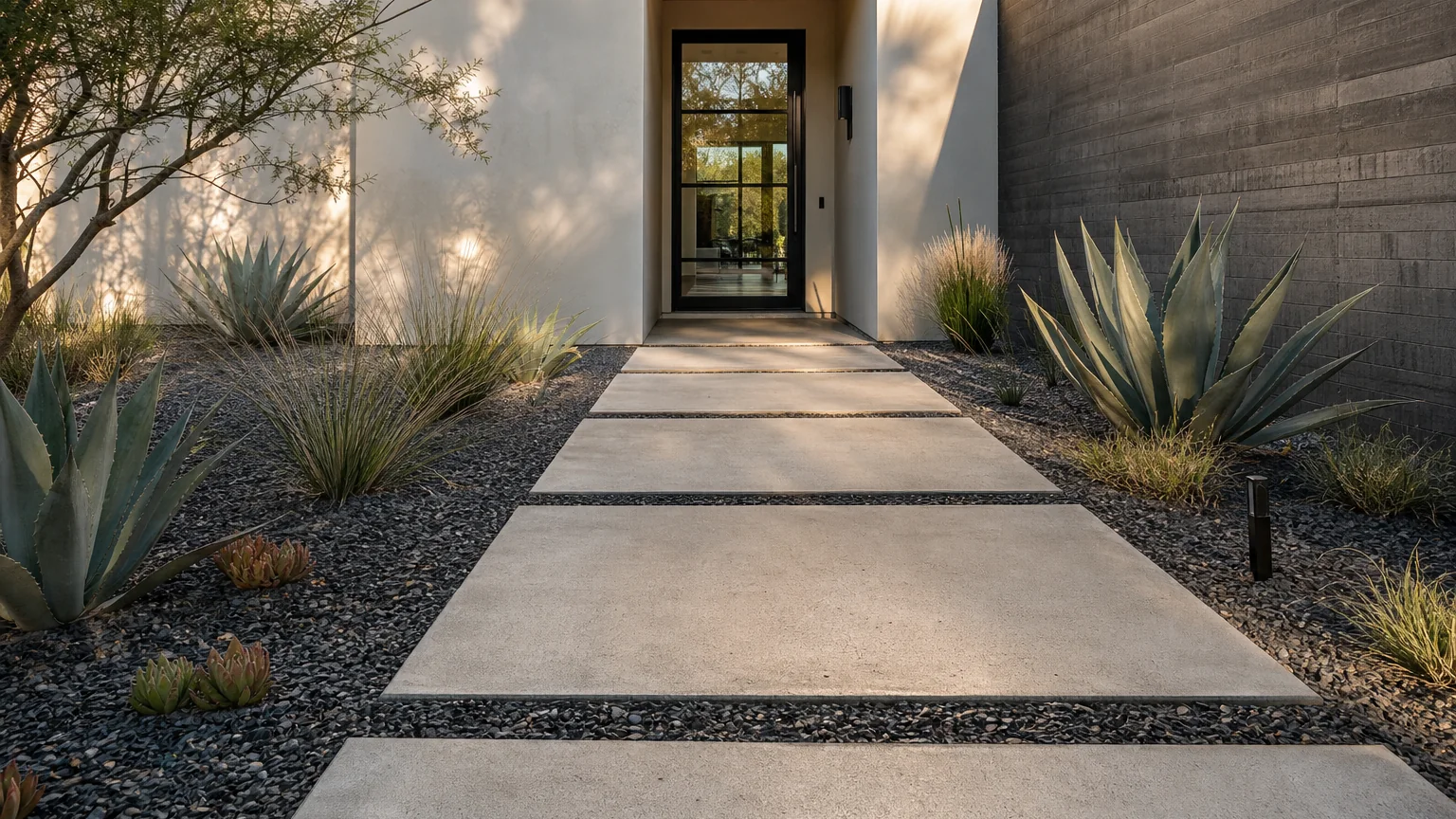
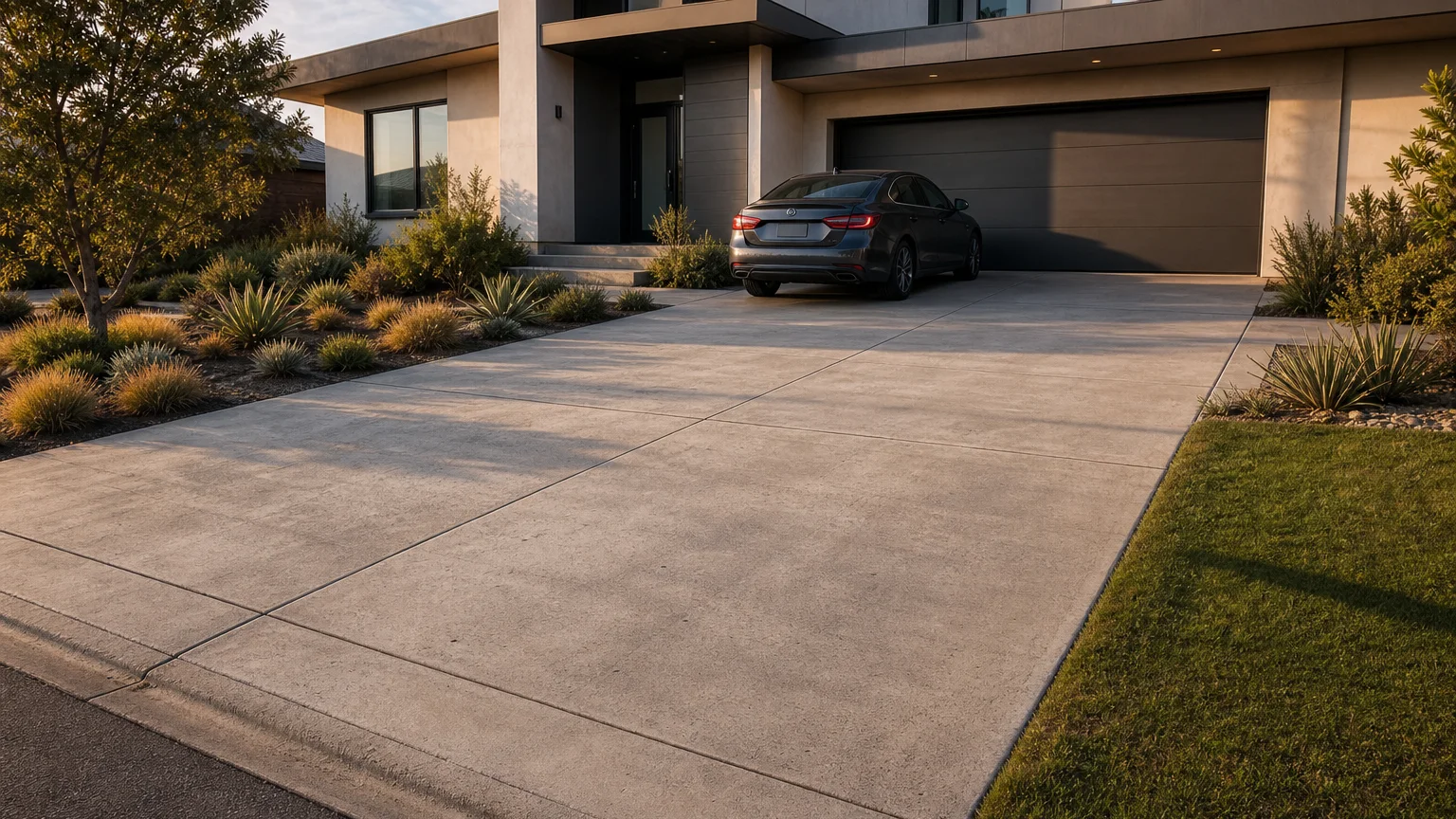
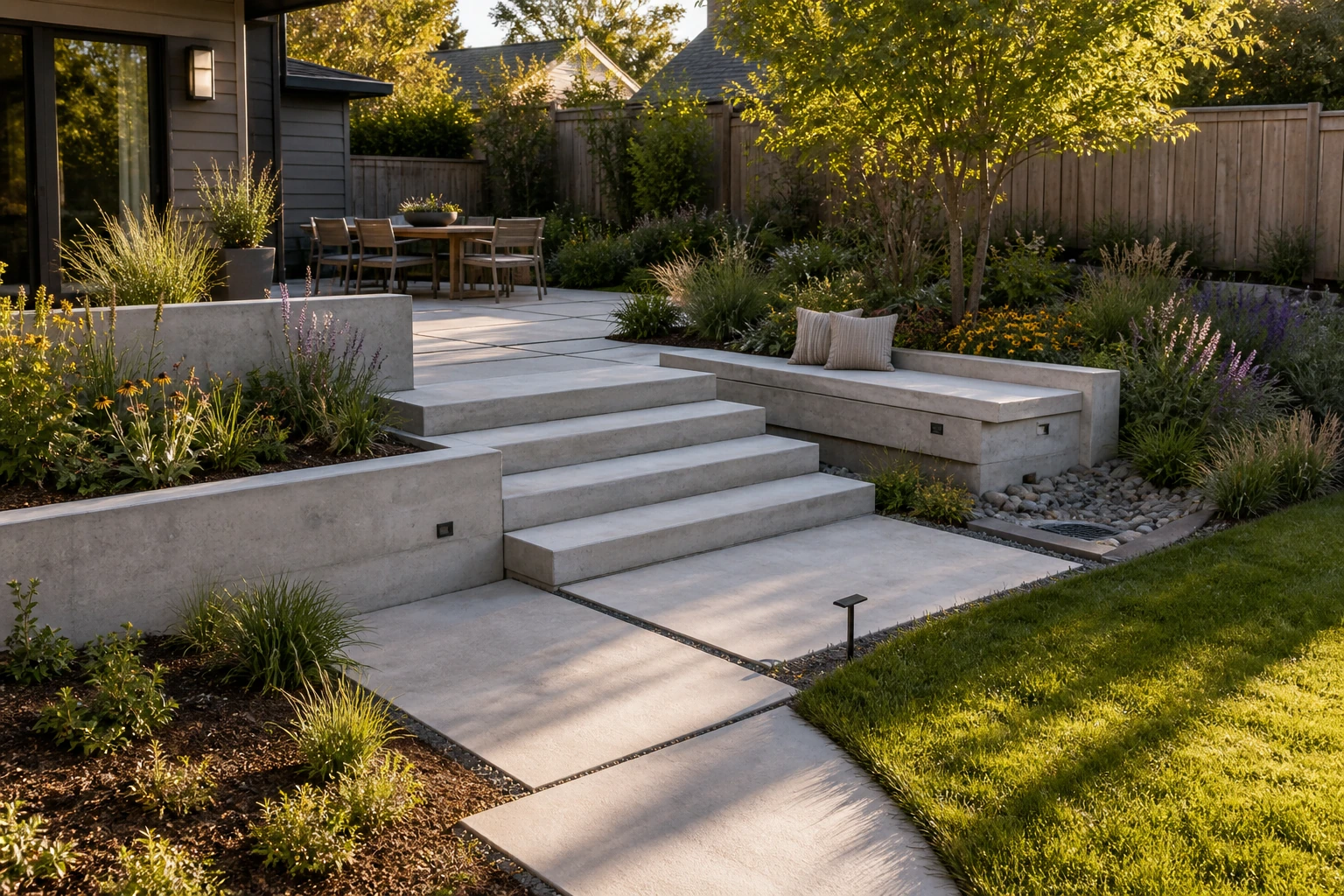
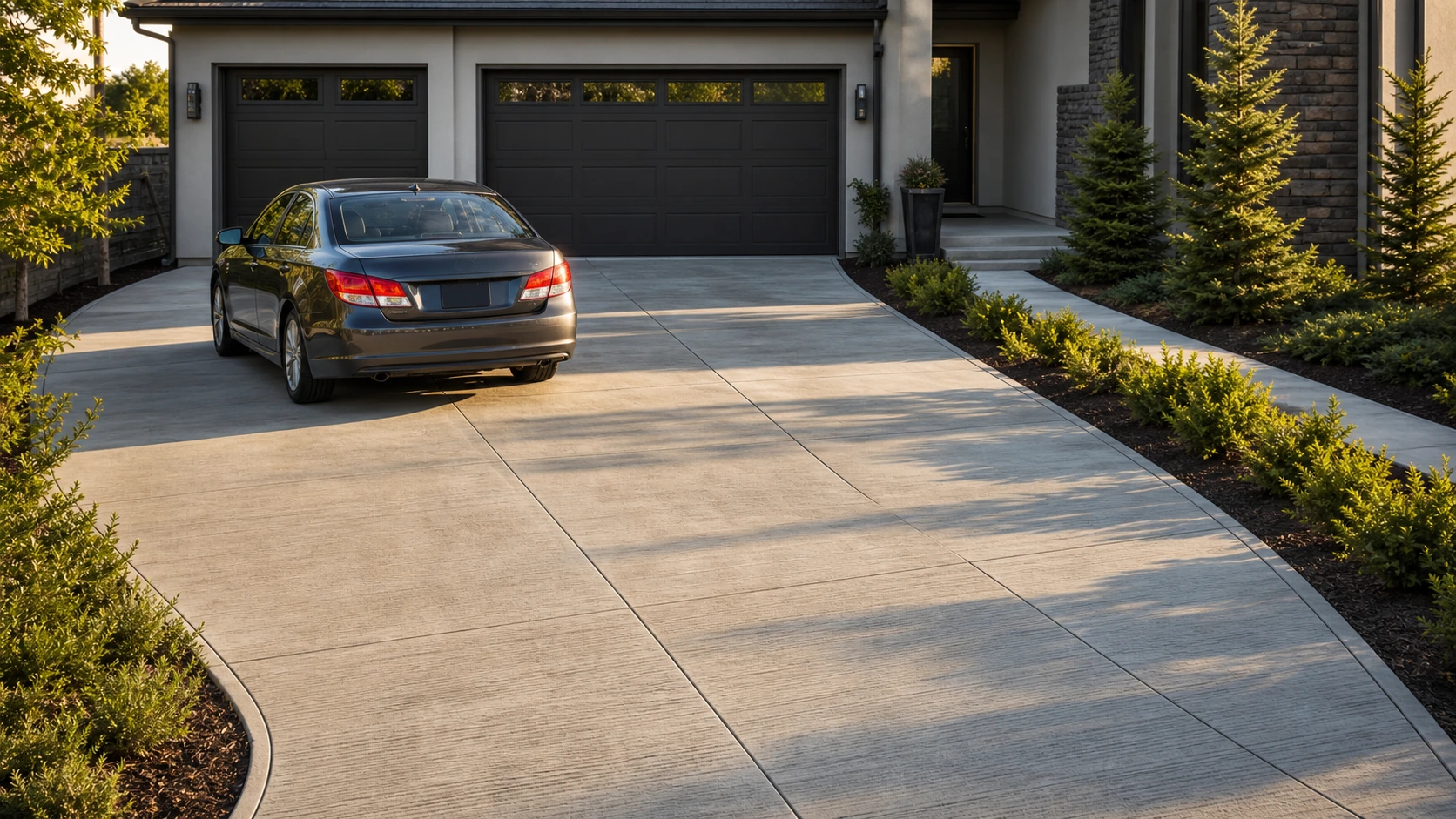
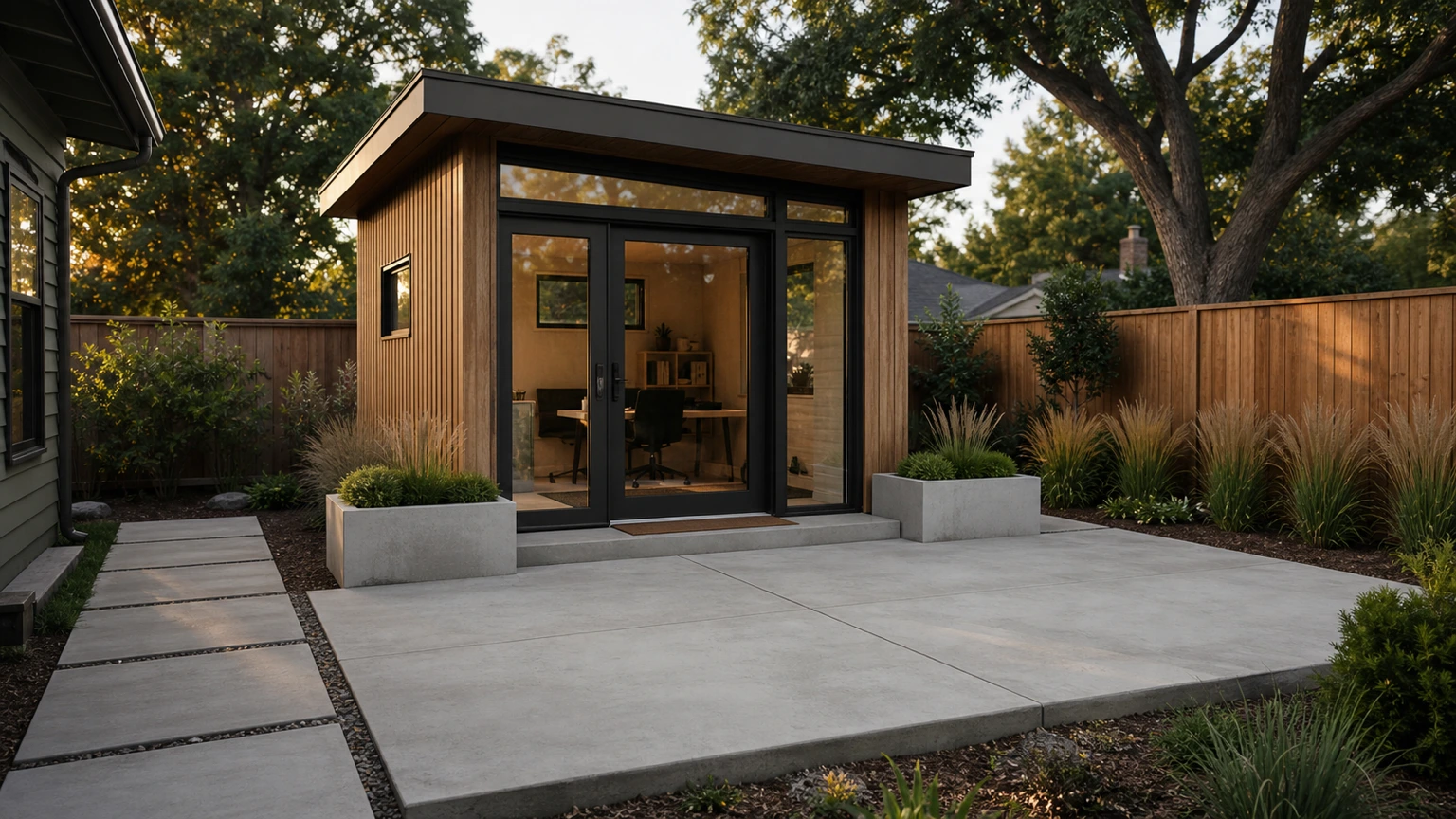
Explore realistic concrete concepts for patios, driveways, pool decks, steps, and more — save or share the ones that fit your home.
Pour Ready
Start from a design you love or from the numbers: estimate concrete volume, bags, and cost in seconds, then plan base, reinforcement, joints, and pour-day weather with the full planner.
Quick estimate
Enter your dimensions to get concrete volume with a waste allowance, an 80 lb bag count, and a rough materials cost range — the same math as the full calculator.
Building something else? Use the strip footing, Sonotube / round pier, column, steps, or curb & gutter calculator, or open the full concrete calculator & pour planner.
Design ideas
450 realistic residential concrete concepts across nine collections — each with planning notes and a direct path to the matching calculator and guides.
How it works
Explore realistic concrete concepts for patios, driveways, pool decks, steps, and more — save or share the ones that fit your home.
Every idea covers the practical questions: layout, finish, drainage, circulation, and what to verify on your actual site.
The matching calculator turns dimensions into concrete volume, bags or ready-mix loads, base, reinforcement, joints, and a cost range.
Enter a US ZIP code and pour date for a weather-readiness check based on National Weather Service forecasts.
Calculators
Select a project type to get accurate material estimates and planning guidance.
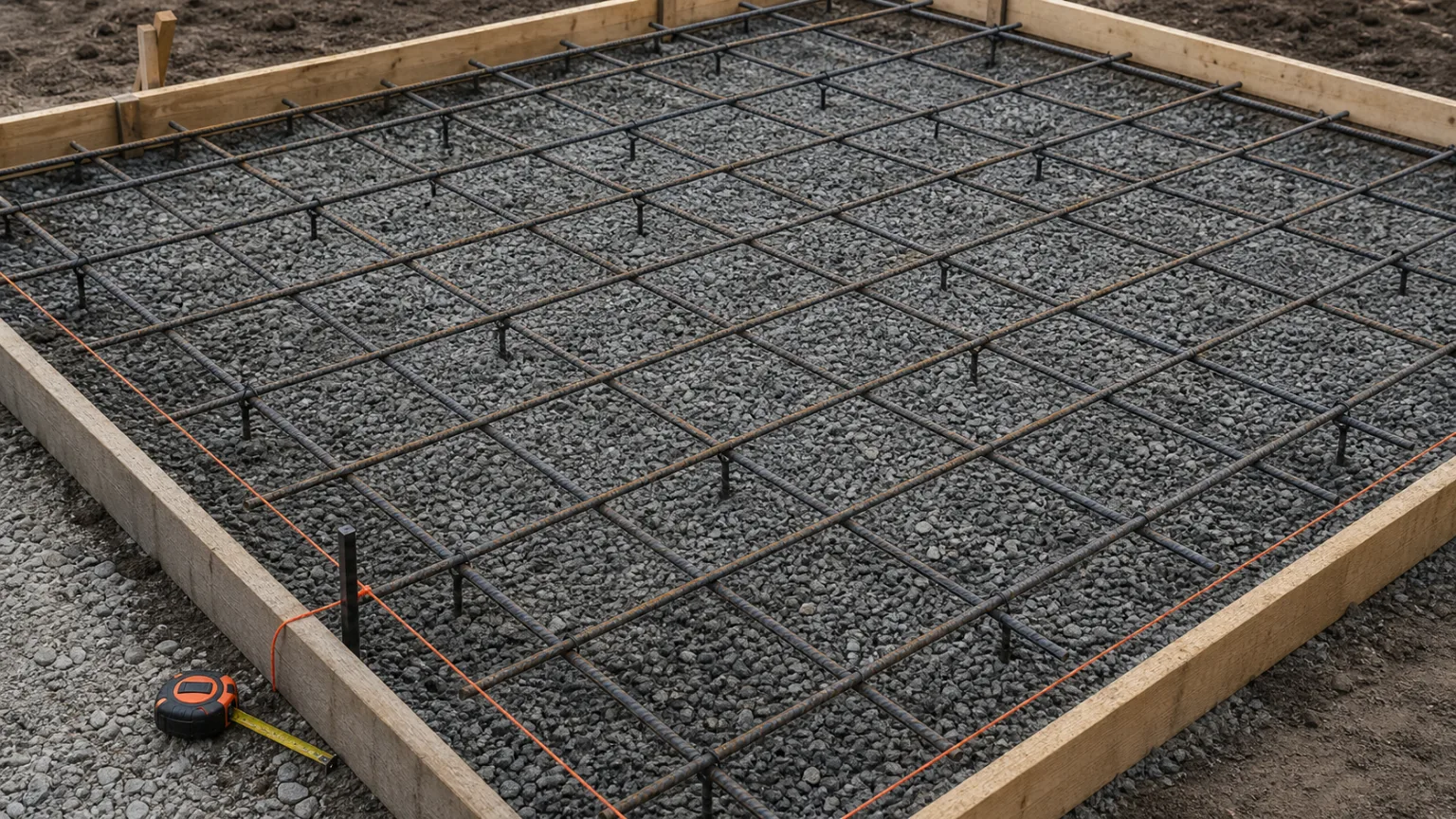 Concrete slabPatios, shed pads, and general flatwork
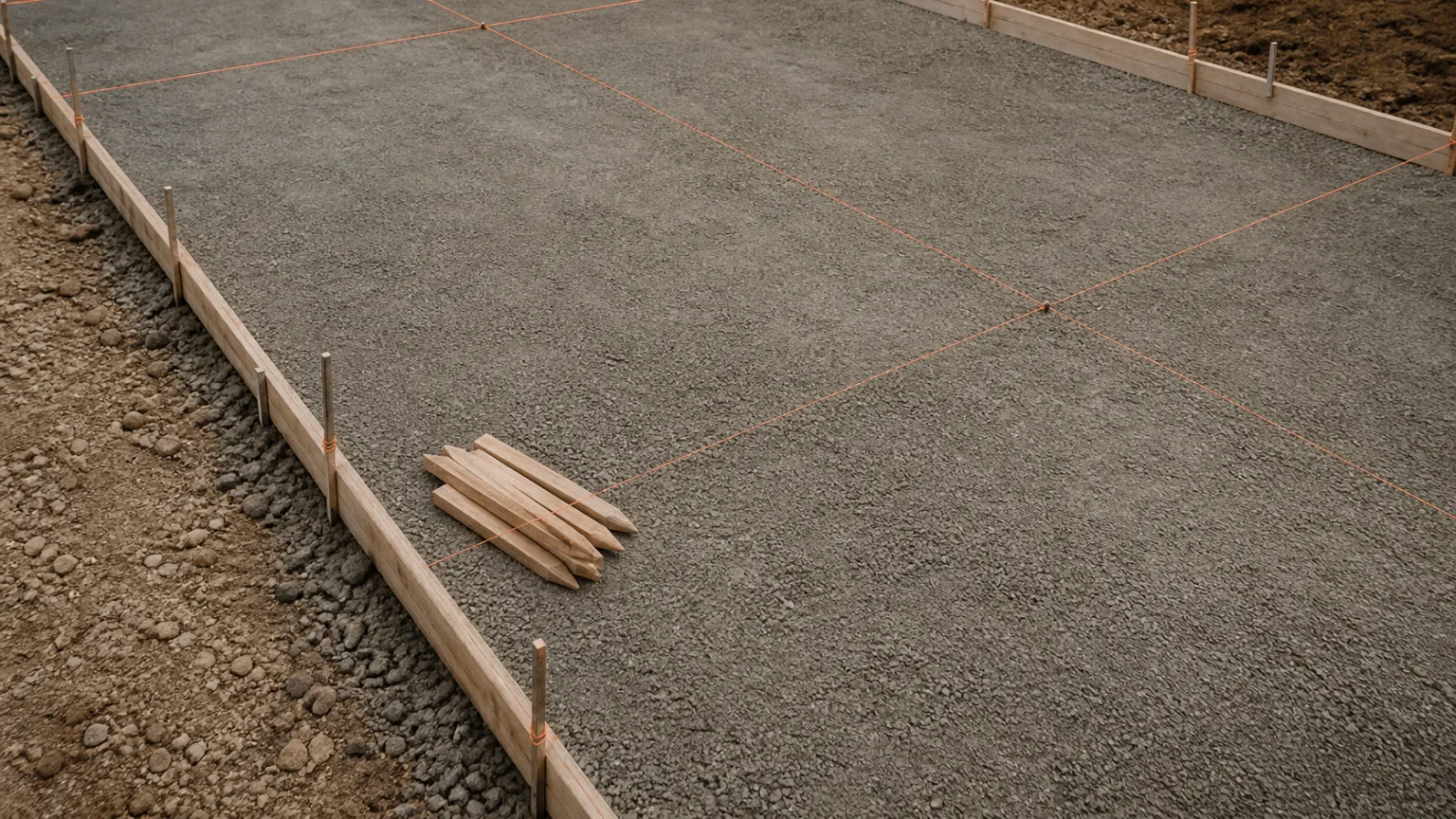 Concrete drivewayParking pads, aprons, and driveways
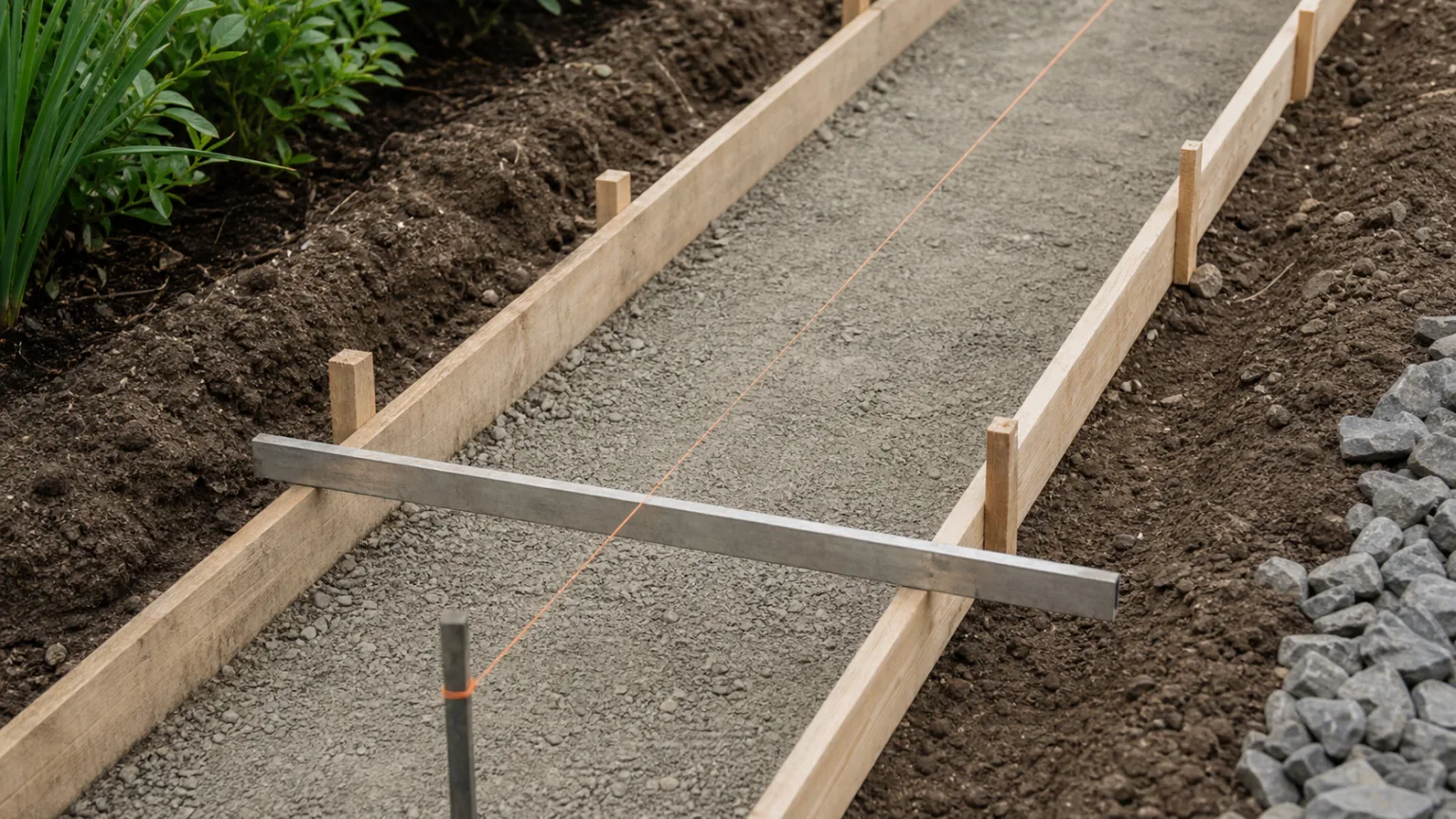 SidewalkWalkways, paths, and crossings
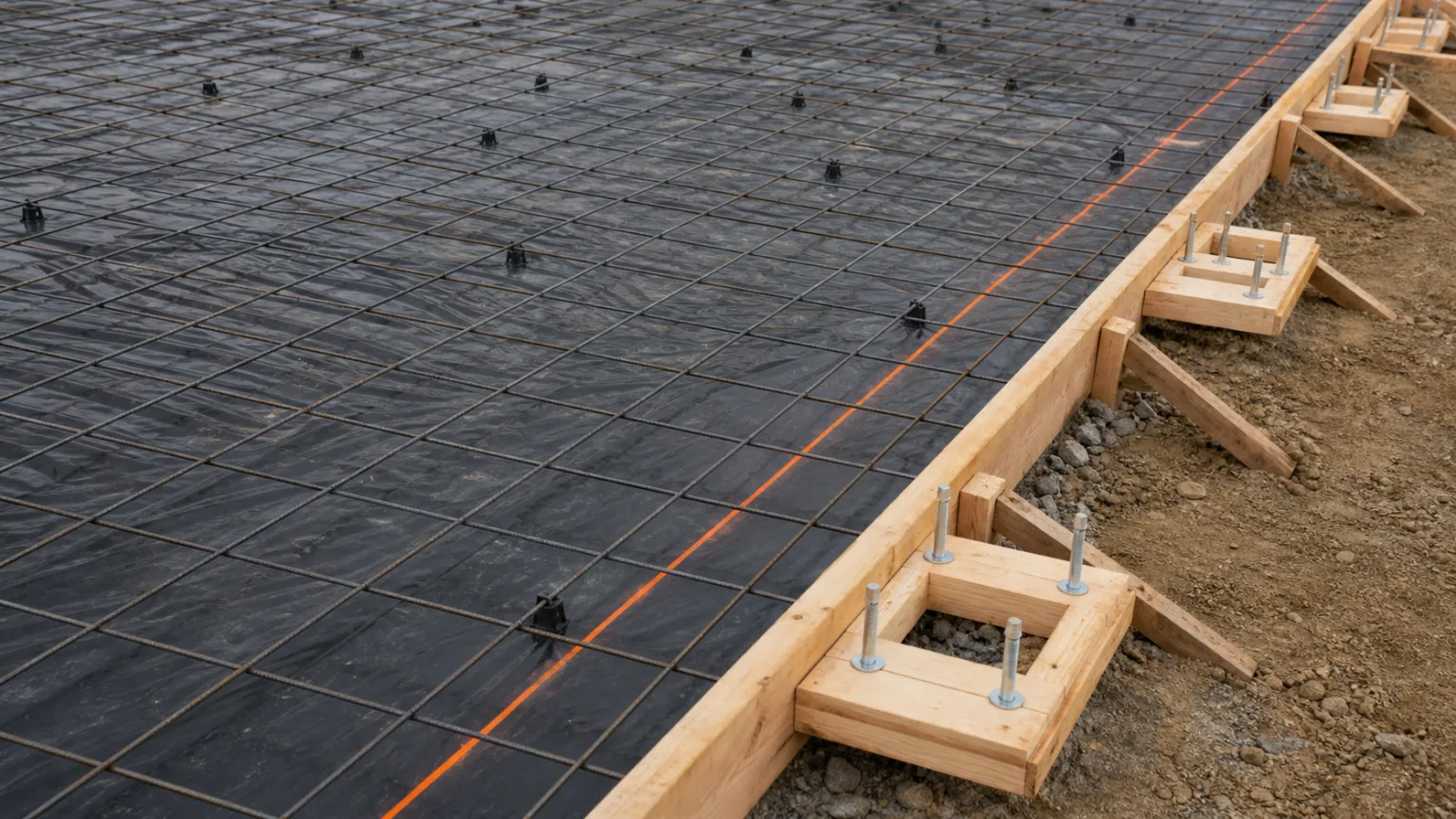 Garage slabGarage floors and workshops
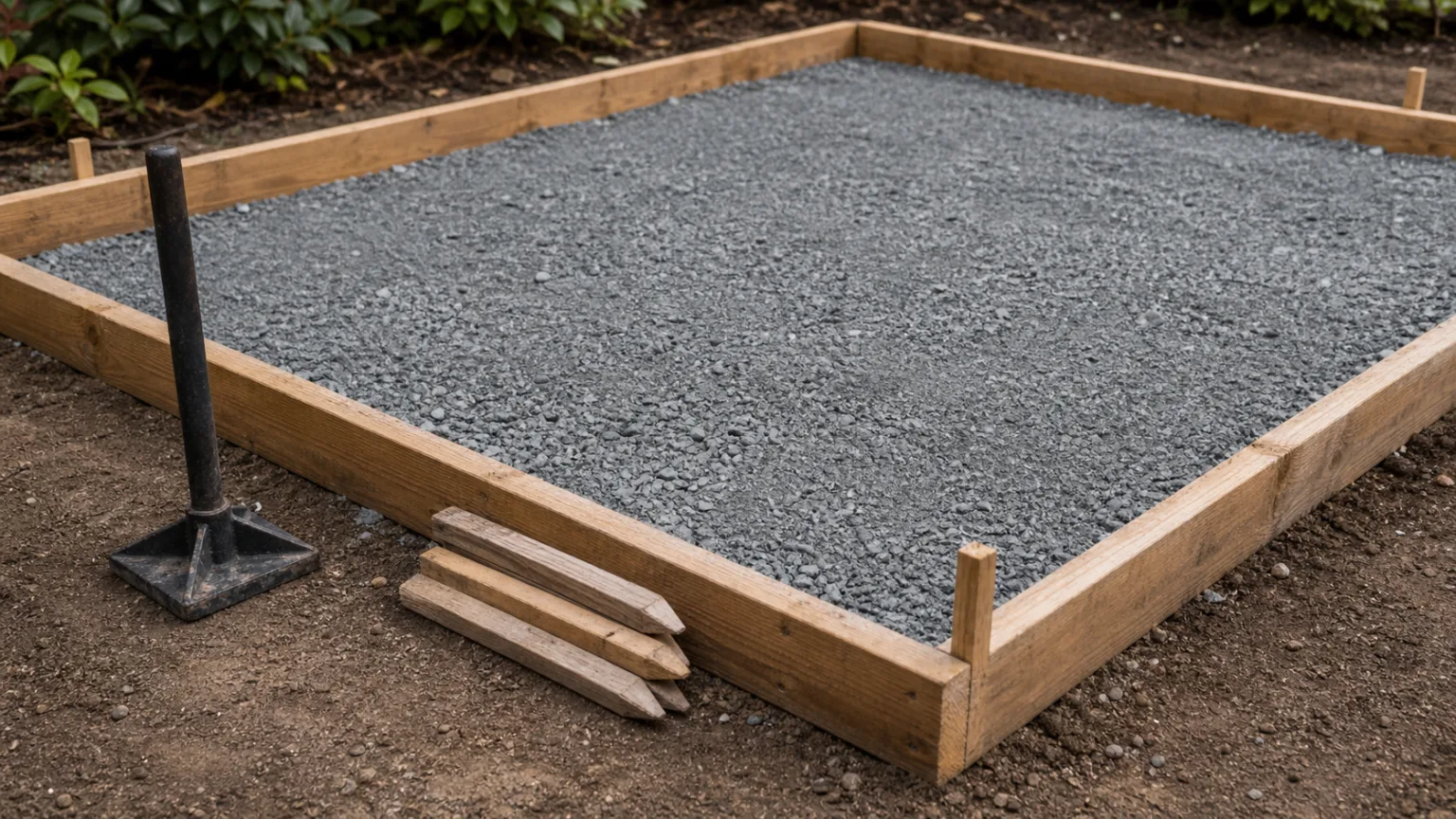 Shed padSmall equipment and storage pads
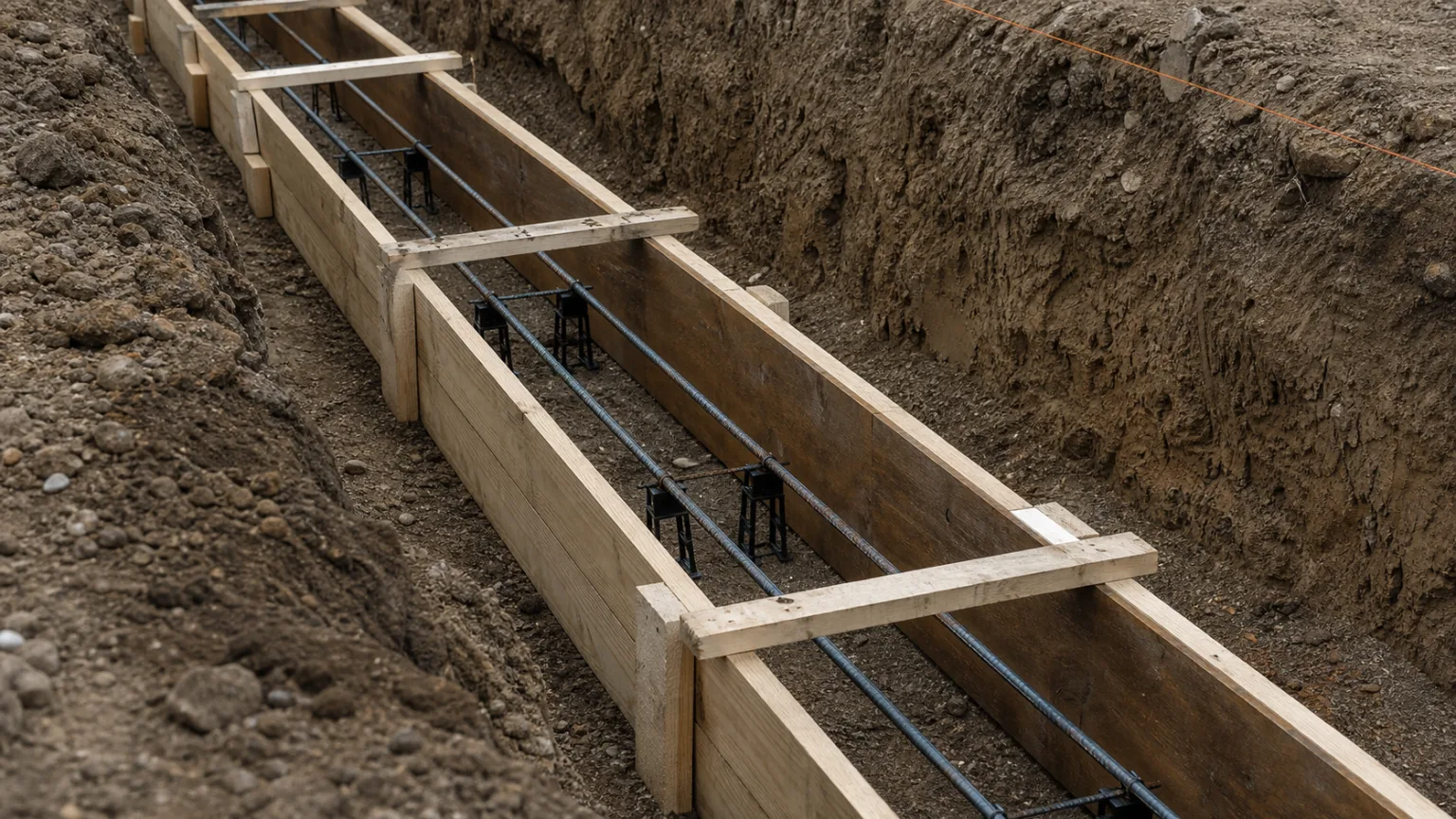 Strip footingContinuous rectangular footings
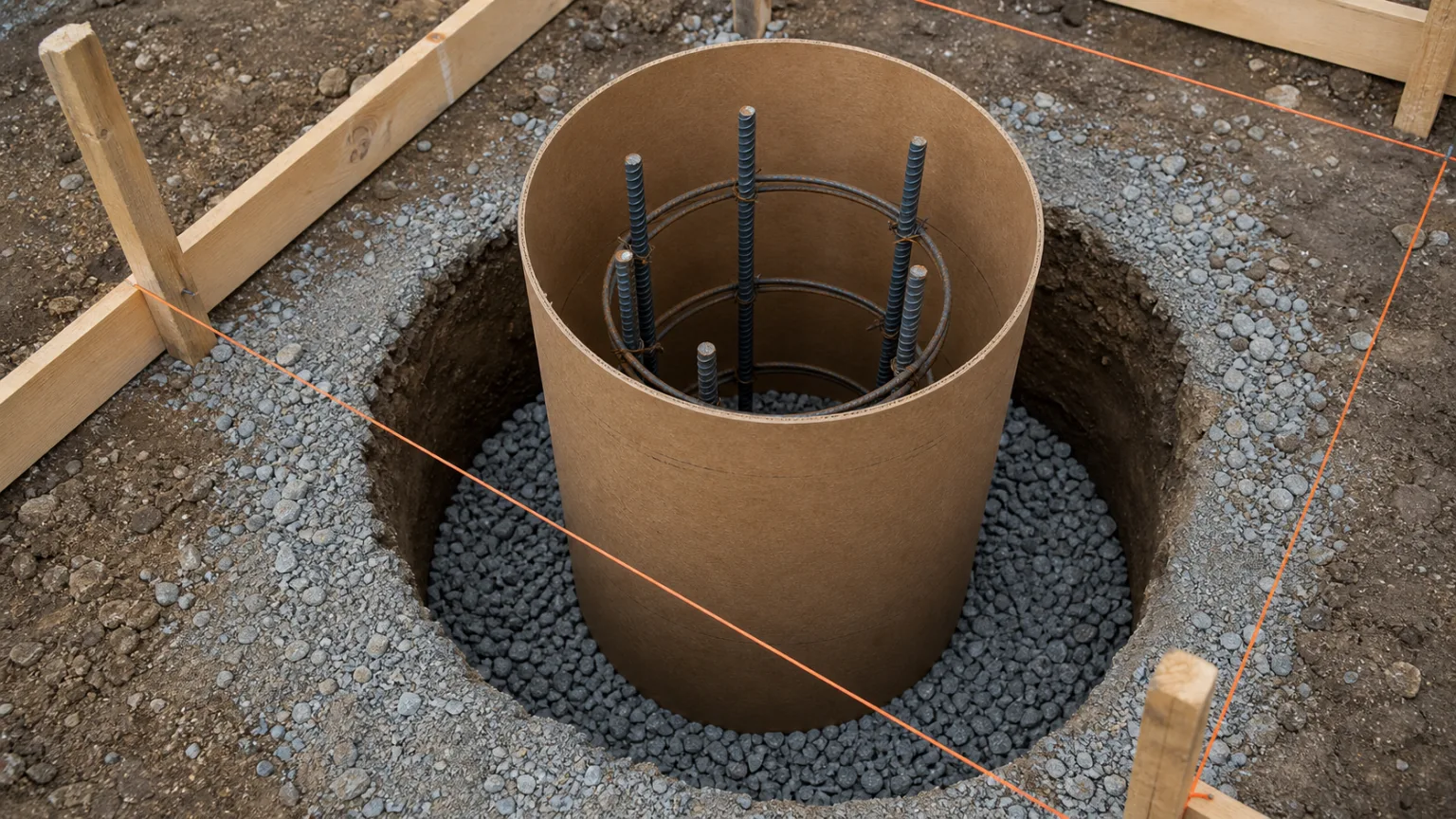 Sonotube / round pierDeck piers and round posts
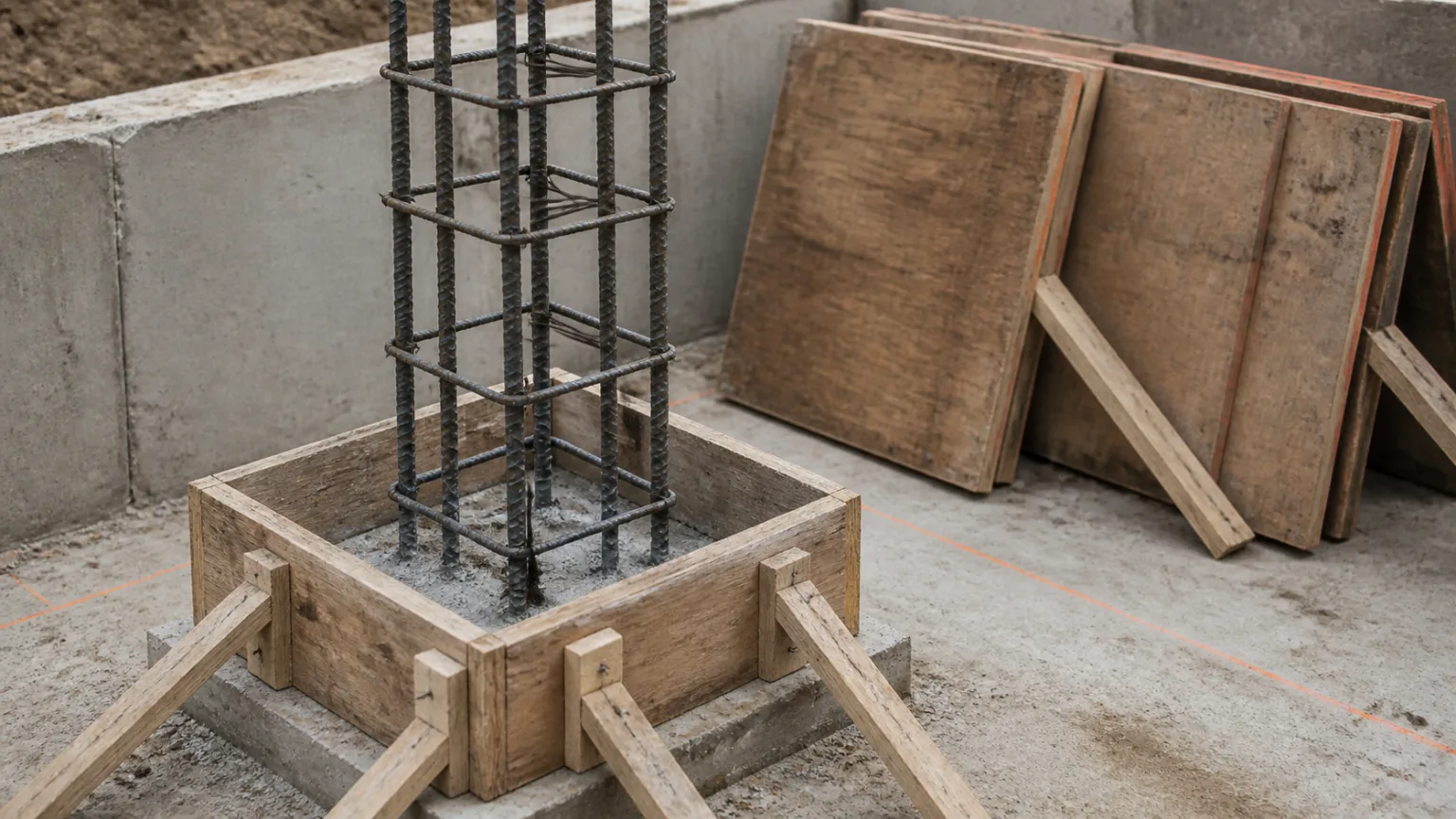 Concrete columnSquare and rectangular columns
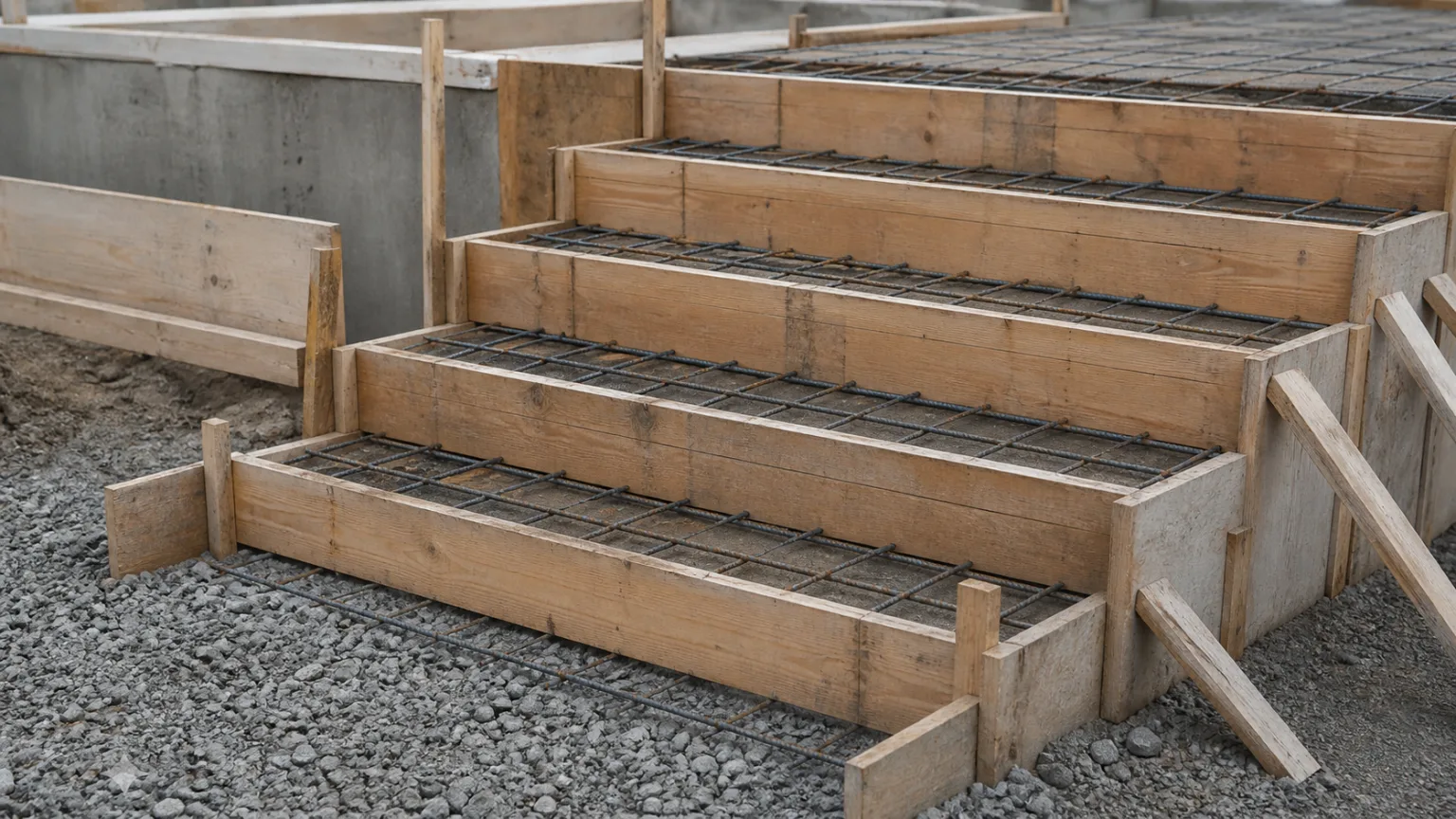 Concrete stepsStoops, landings, and stair flights
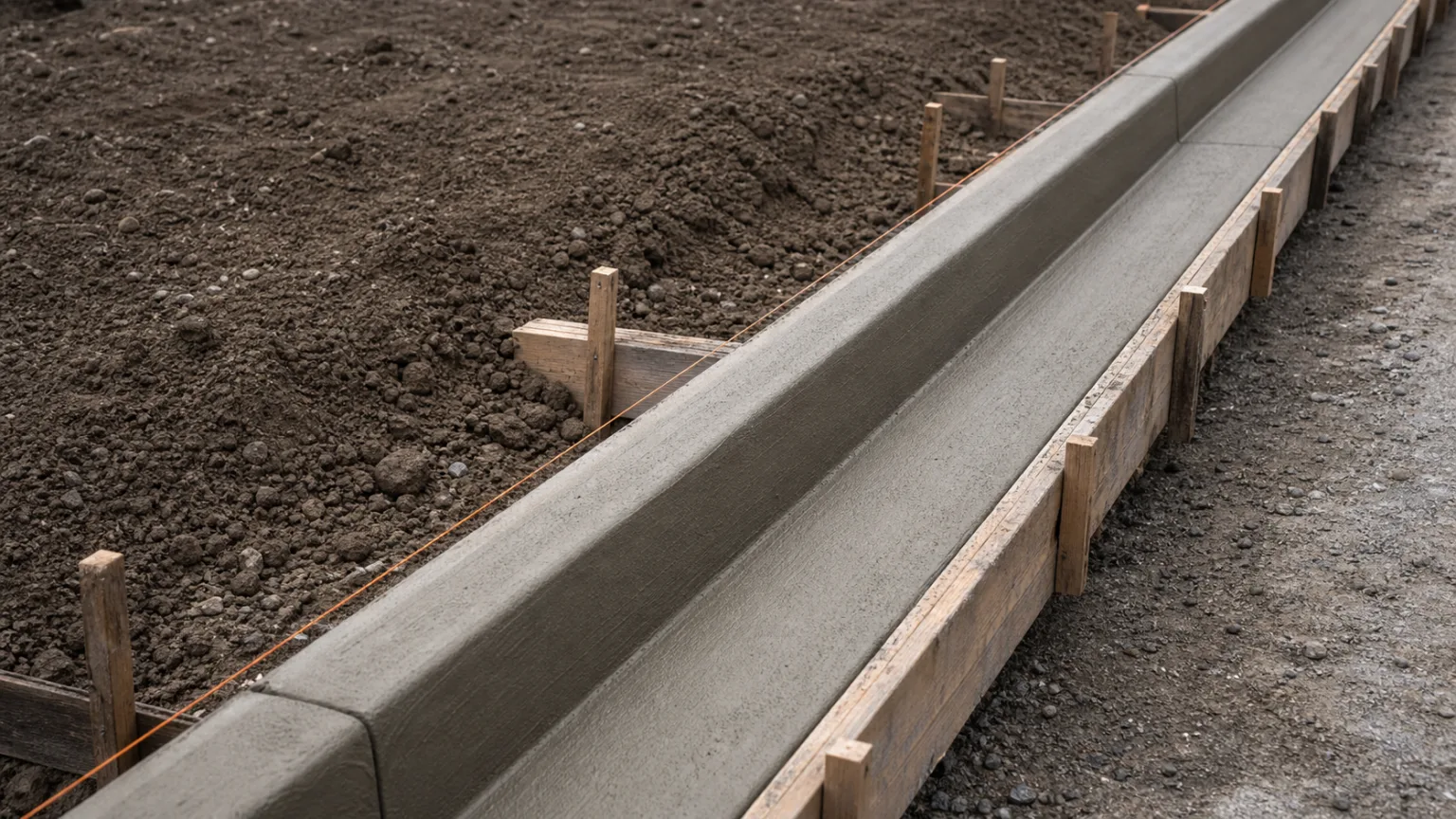 Curb & gutterUniform drainage sections
Why Pour Ready
Project-specific measuring, thickness, base, joint, foundation, stair, and ordering context — organized by hub.
The formulas, sources, and limitations behind every result, stated plainly. All outputs are planning estimates, not structural design.
No account needed. See the privacy page for exactly what is stored on your device and what analytics run.
Confirm quantities with your supplier and requirements with your local building department before ordering. Weather readiness uses National Weather Service forecast data for US ZIP codes.